
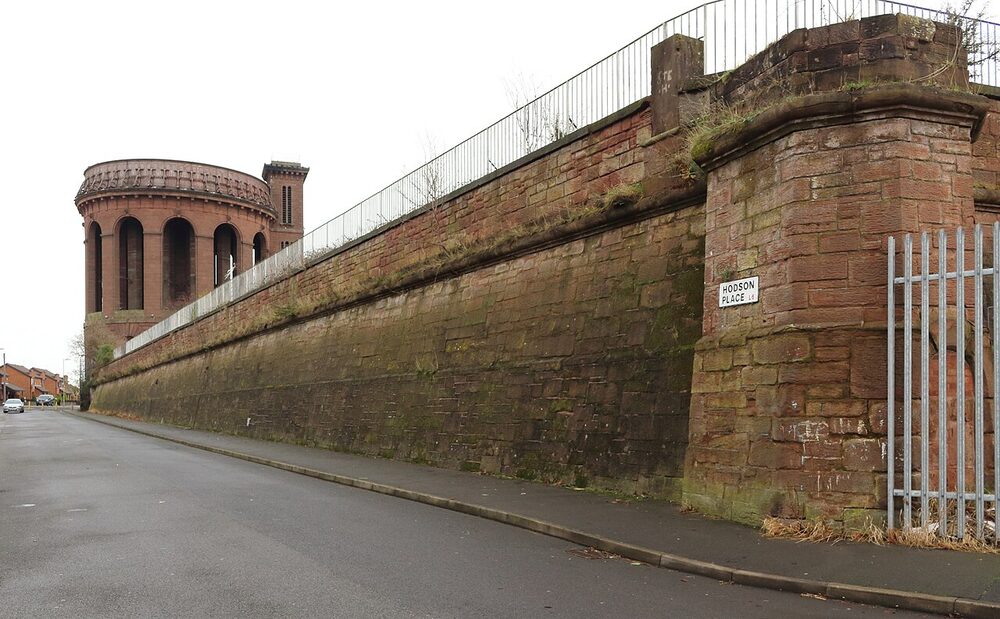
Retaining walls look simple, which is exactly why so many fail. Holding back soil and water is a real engineering load, and a wall that was undersized or built without drainage will tell you so — slowly, then all at once.
The Usual Failure Modes
Most failures come down to three things: water building up behind the wall with nowhere to go, backfill that holds moisture and adds weight, and a wall asked to retain more soil than it was designed for. The result is bulging, leaning, or cracking that worsens each wet season.
Drainage Behind the Wall
The single most important detail is usually invisible: the drainage built behind the wall. Gravel backfill, weep holes, and a drain line relieve the water pressure that otherwise pushes a wall over. Get that right and the wall’s job becomes far easier.
Designed and Sealed
We inspect existing walls and design new ones with drainage detailed from the first drawing, sealed and ready for permitting. Because water drives so many failures, the work overlaps directly with our drainage evaluations and our retaining wall inspection and design service.