
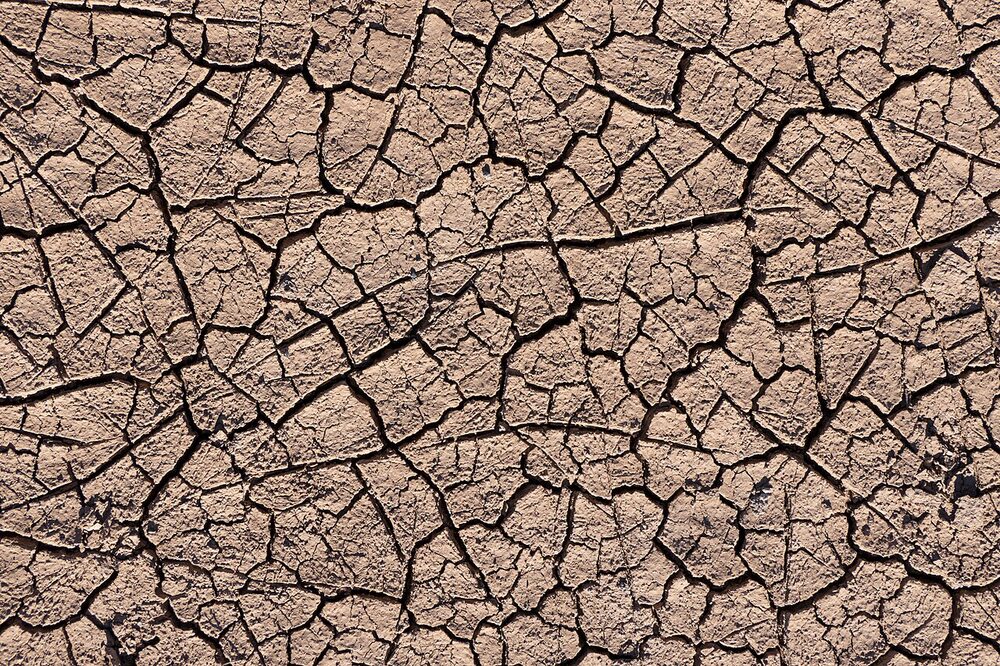
North Texas sits on expansive clay, and that single fact explains most of the foundation trouble in the region. Understanding how the soil behaves is the first step to keeping your foundation stable.
Swell and Shrink
Expansive clay absorbs water and swells, then dries out and shrinks. Over a year, the soil under a home can rise and fall measurably — and because it rarely dries or wets evenly, one part of the foundation moves while another stays put. That differential movement is what cracks slabs.
Trees, Plumbing, and Drainage
Three things accelerate the cycle: large trees that pull moisture from the soil, plumbing leaks that add it, and poor drainage that lets water pool unevenly. Managing all three is usually cheaper than structural repair — the logic behind our drainage and grading evaluations.
Keeping Moisture Even
The goal is not to eliminate moisture but to keep it consistent year-round. A foundation inspection establishes where you stand today, and from there the fixes are mostly about water management.